News
Learning across cultures: Kaho’s time with School Food Matters
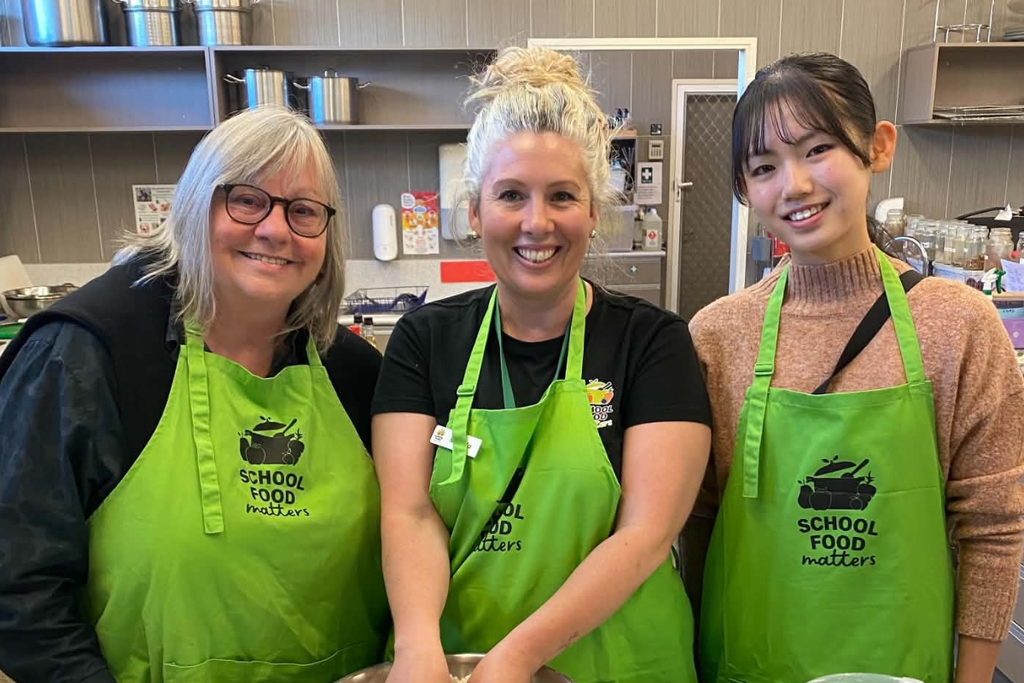
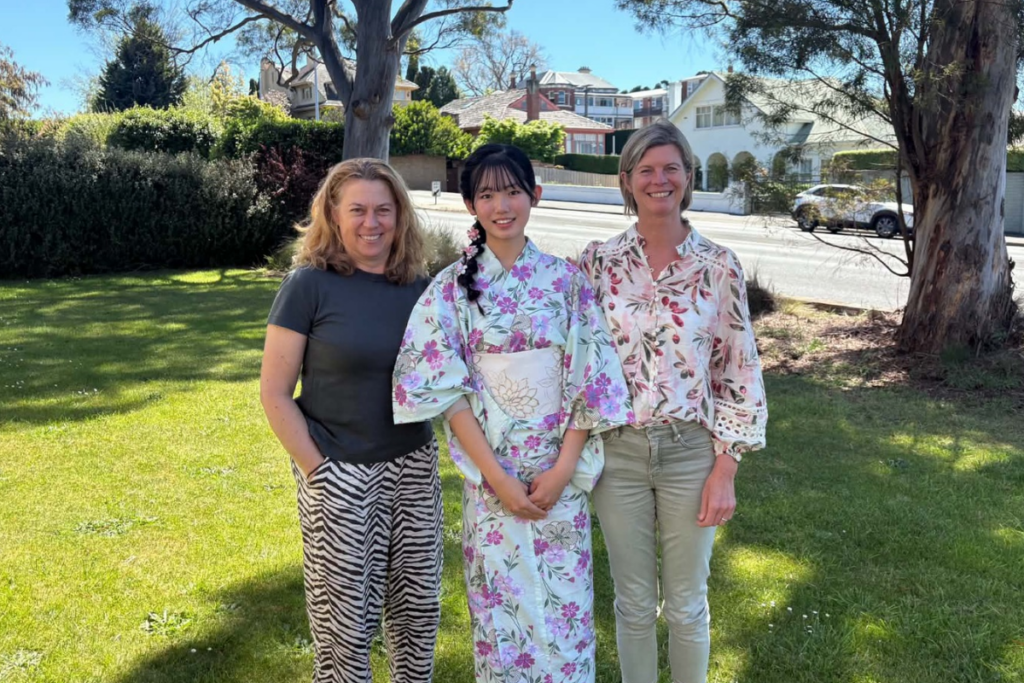
Over the past three weeks, School Food Matters has had the pleasure of welcoming 17-year-old Japanese student Kaho, who joined us to learn more about school food in Tasmania and share her own knowledge and experiences from Japan.
Kaho has a particular interest in nutrition for children and how young people can be more actively involved in school food.
“In Japan, school lunches provide well-balanced meals, but I believe there is potential for children to think more about food and take part in the process,” Kaho said.
“I came to Tasmania to learn from School Food Matters, which values food education and student involvement, and to apply these insights to Japanese school lunches.”
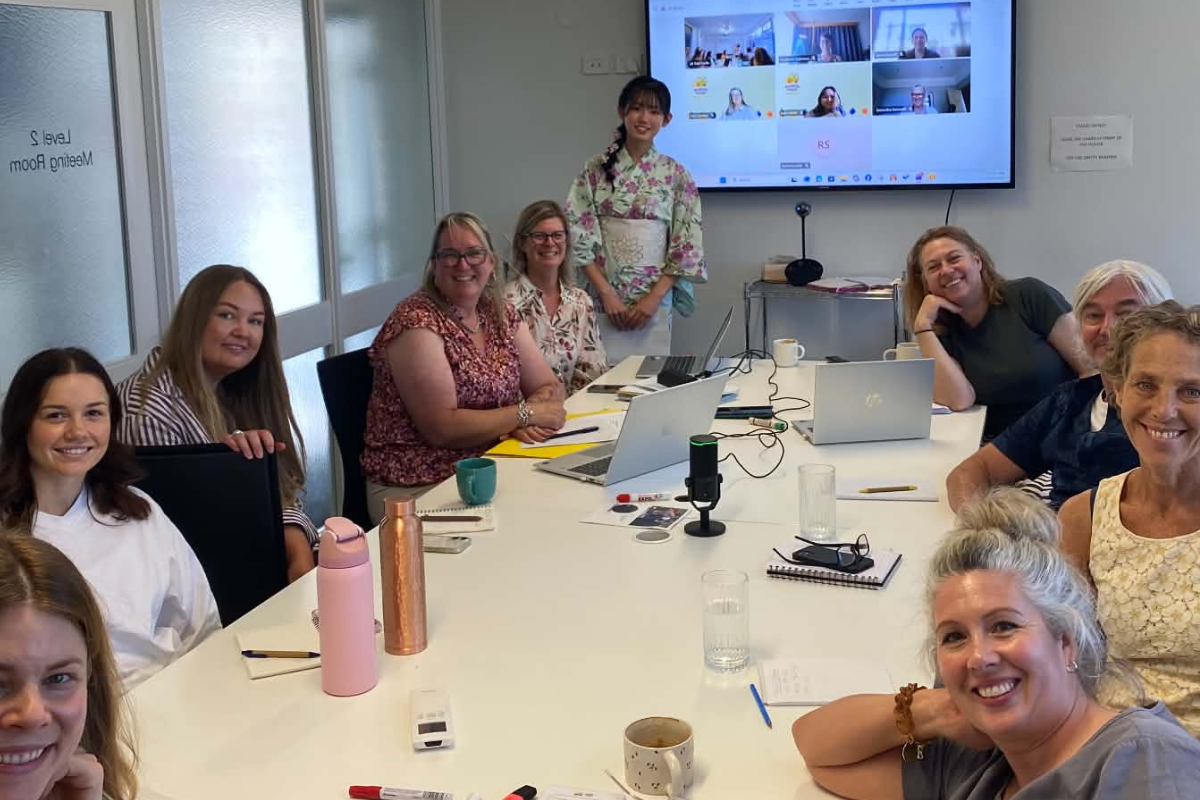
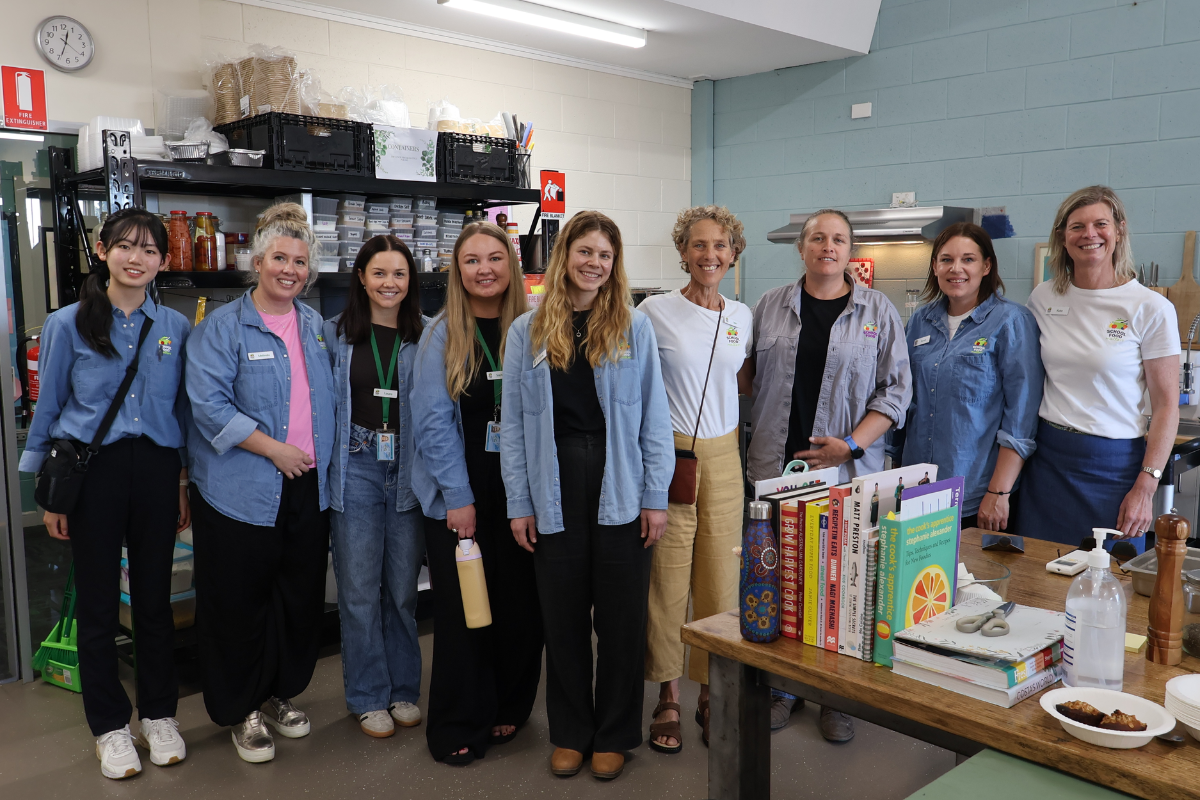
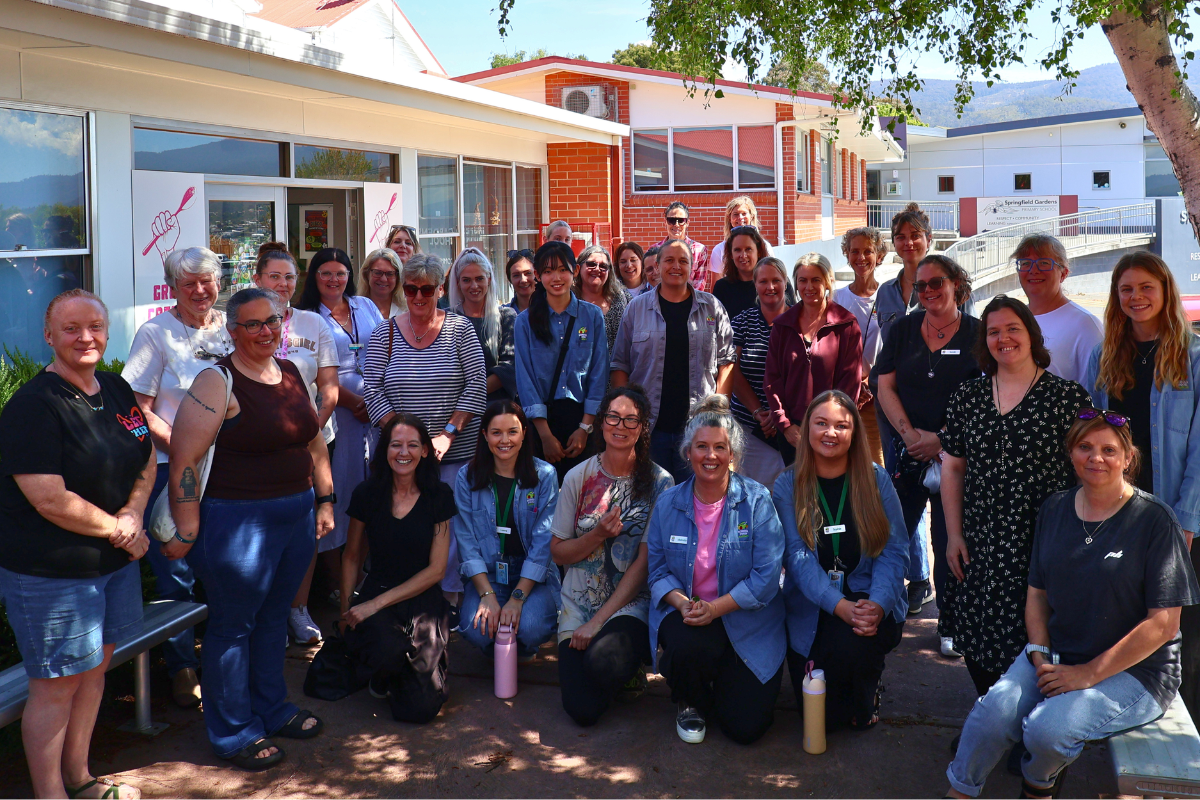
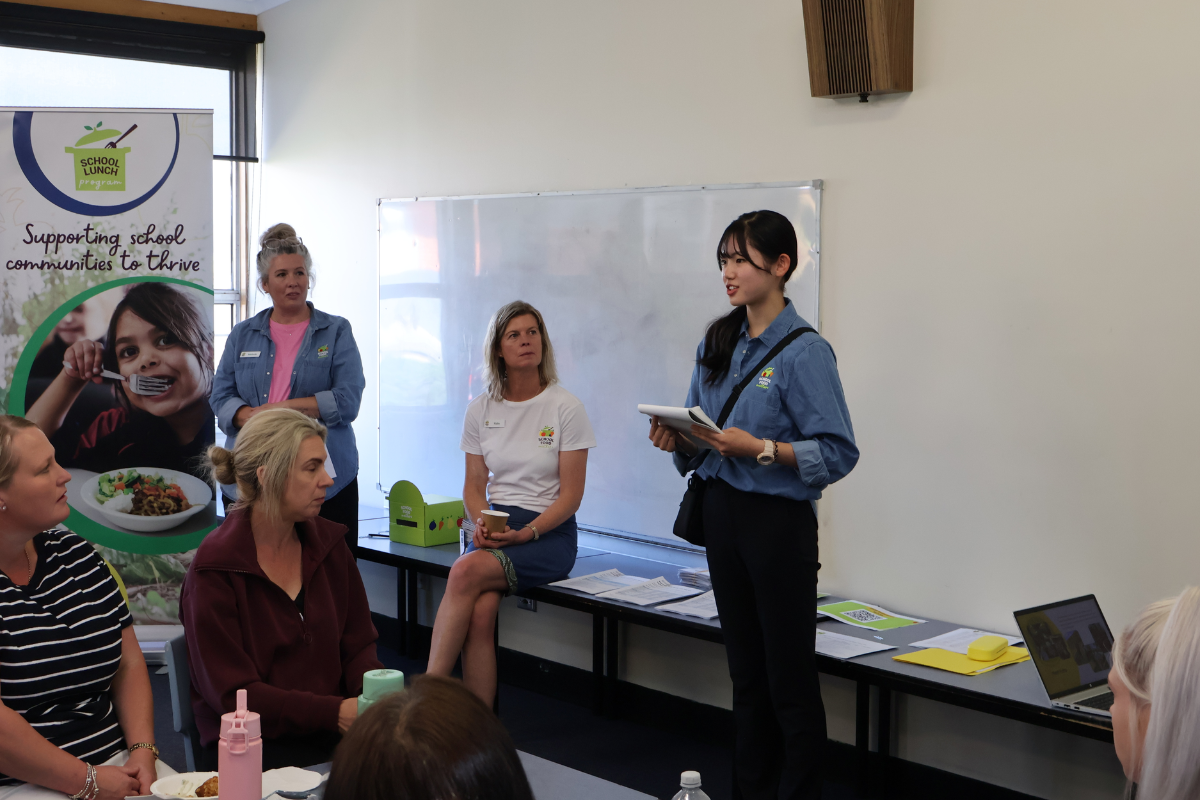
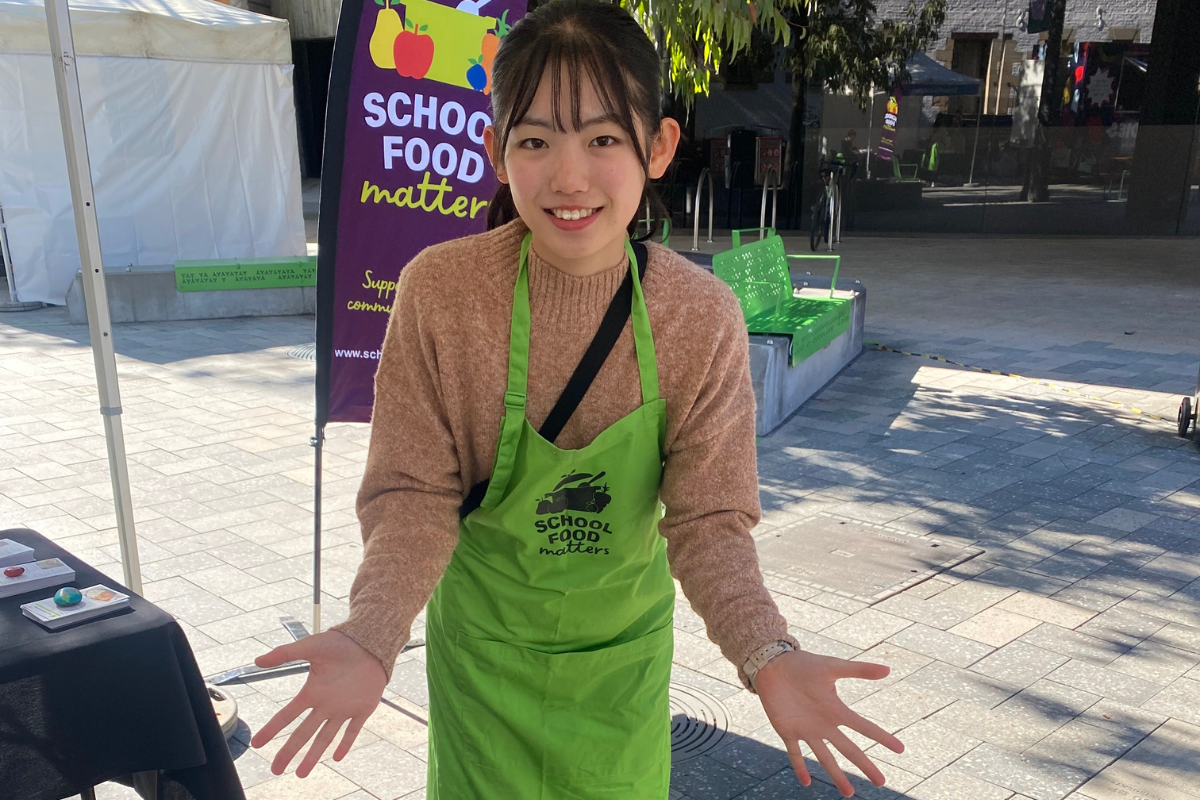
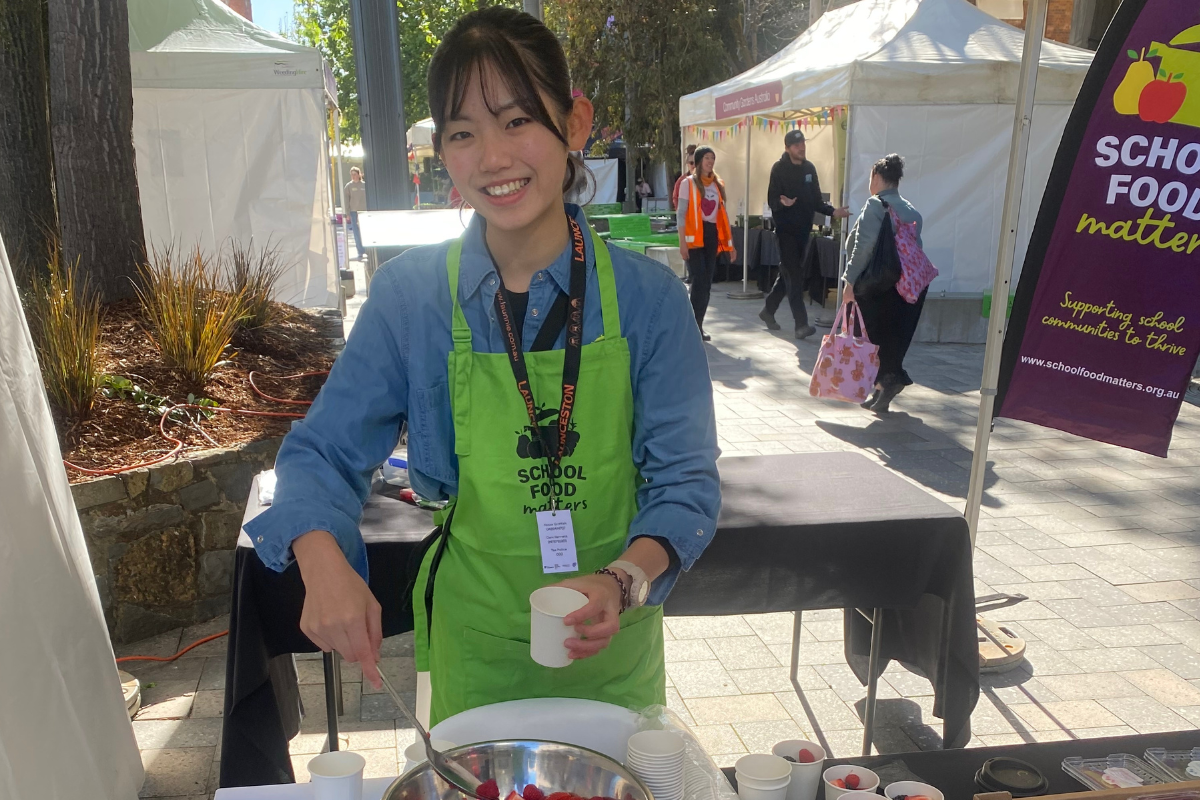
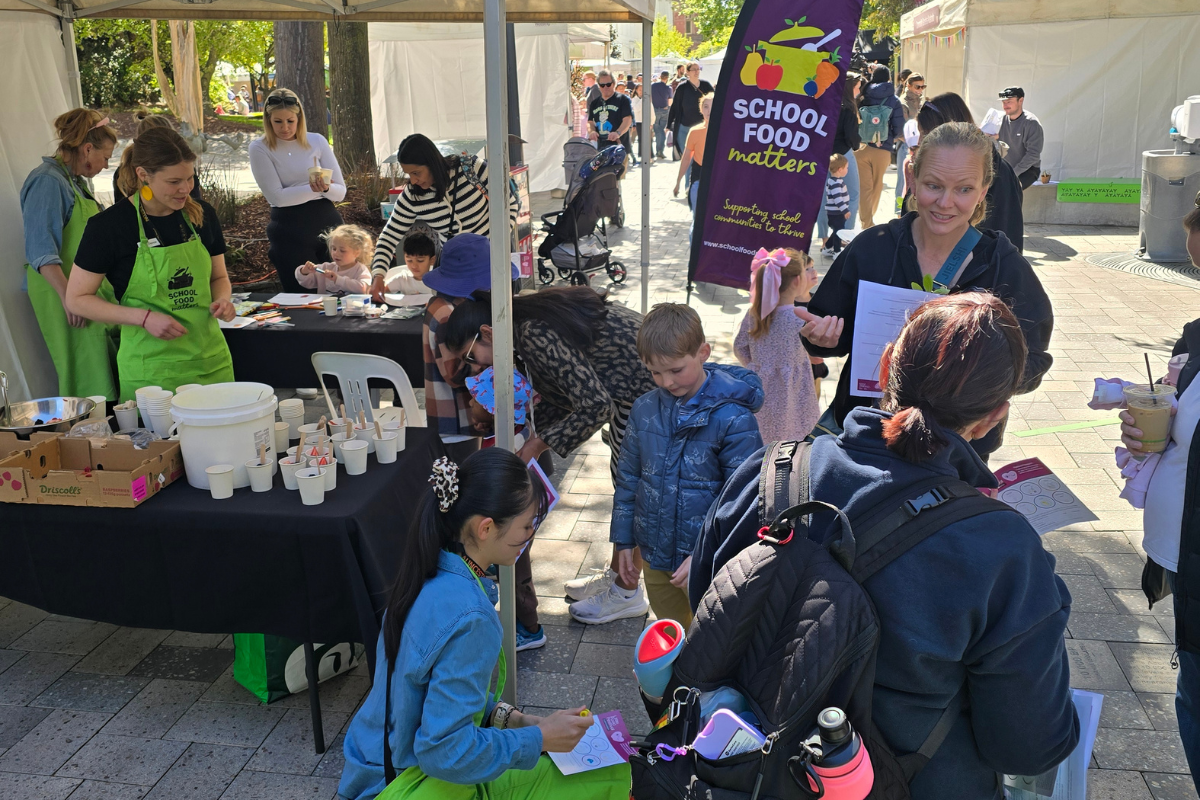
During her time with us, Kaho immersed herself in the work of School Food Matters. She joined our team at the Little Food Festival in Launceston, attended our southern Food in Schools workshop and presented to School Food Matters staff and workshop participants about school lunches in Japan.
One of the highlights of Kaho’s time with us was visiting Moonah Primary School, where she had the opportunity to plan and prepare a Japanese-inspired lunch for students.
The menu included rice balls, meat and potato, glass noodle salad and fruit punch, giving students the chance to experience some of the foods and flavours Kaho is familiar with at home.
Learning from each other
It has been fascinating to learn from Kaho about the similarities and differences between school food in Tasmania and Japan.
Kaho shared how Japanese school lunches can be produced on a huge scale, with meals prepared in large, highly specialised kitchens with impressive technology and strict hygiene processes.
She also noticed differences in the flexibility of the two approaches. In Japan, students eat the same meal, guided by nutritional standards, while School Food Matters provides guidelines that allow Tasmanian schools greater flexibility in choosing their menus.
But it was some of the similarities and the ideas that could be shared between the two systems that particularly interested Kaho.
She was impressed by the way students can be involved in trying new menu items before they are introduced, helping schools understand what students enjoy and potentially reduce food waste. She also highlighted the care taken to support students with allergies and special dietary requirements.
For Kaho, one of the biggest lessons to take home is the opportunity to give students a greater voice in the food they eat.
“I want to take home the idea of involving students in menu development and using local ingredients,” Kaho said.
“Pre-tasting sessions to hear students’ voices and sourcing over 70% of ingredients locally are great approaches to build a connection with food.”
Kaho hasn’t just spent three weeks learning from us, we have learnt an enormous amount from her too.
Her knowledge, curiosity and willingness to share her experiences have brought a valuable international perspective to our work and prompted some great conversations about the different ways school food can support children’s nutrition, learning and connection with food.
We have thoroughly enjoyed having Kaho as part of the School Food Matters team and are very grateful for everything she has contributed during her time with us.
Thank you, Kaho. We wish you all the very best as you continue exploring your passion for children’s nutrition and wellbeing.